When selecting brass materials for precision-engineered components, manufacturers and industrial buyers often encounter three highly popular grades: CZ121, C36000, and CuZn39Pb3. These brass alloys are widely recognized for their excellent machinability, dimensional stability, corrosion resistance, and suitability for high-volume production.
Although these grades are frequently considered equivalent, subtle differences in standards, chemical composition, mechanical properties, and application requirements can influence material selection. Understanding these distinctions helps manufacturers achieve better machining efficiency, tighter tolerances, improved surface finish, and long-term product performance.
This detailed comparison explores the characteristics, advantages, and industrial applications of CZ121, C36000, and CuZn39Pb3 brass grades.
CZ121 is a free-machining brass grade specified under British Standards. It is one of the most widely used brass alloys for automatic machining operations and precision-turned parts.
The material contains controlled amounts of lead, which act as a chip-breaking agent during machining. This significantly reduces tool wear and enables high-speed production.
CZ121 is commonly used in industries requiring large quantities of precision components with consistent quality.
C36000, often referred to as Free Cutting Brass, is the American standard equivalent of CZ121. It is specified under ASTM and UNS standards and is considered the benchmark brass alloy for machining operations worldwide.
Due to its outstanding cutting performance, C36000 is frequently used in automated screw machine manufacturing, CNC turning centers, and precision machining facilities.
C36000 is often regarded as the standard against which other brass machining alloys are measured.
CuZn39Pb3 is the European designation under EN standards for a leaded brass alloy designed specifically for machining applications.
The name indicates its approximate composition:
This alloy is widely used throughout Europe for manufacturing precision brass components, fittings, connectors, inserts, and engineering parts.
For practical engineering purposes, CuZn39Pb3 performs similarly to CZ121 and C36000.
The chemical compositions of these materials are remarkably similar.
| Element | CZ121 (%) | C36000 (%) | CuZn39Pb3 (%) |
|---|---|---|---|
| Copper (Cu) | 57-59 | 60-63 | 57-59 |
| Zinc (Zn) | Balance | Balance | Balance |
| Lead (Pb) | 2.5-3.7 | 2.5-3.7 | 2.5-3.7 |
| Iron (Fe) | Trace | Trace | Trace |
The presence of approximately 3% lead significantly improves machining performance by promoting chip breakage and reducing cutting forces.
When comparing machinability, all three grades rank among the highest-performing brass alloys available.
| Grade | Machinability Rating |
| C36000 | 100% |
| CZ121 | 95-100% |
| CuZn39Pb3 | 95-100% |
The differences are generally negligible in most production environments.
For CNC turning and automatic screw machining operations, these grades remain among the most productive materials available.
Understanding mechanical properties is important when selecting brass for structural or load-bearing applications.
| Property | CZ121 | C36000 | CuZn39Pb3 |
| Tensile Strength | 330-500 MPa | 330-500 MPa | 330-500 MPa |
| Yield Strength | 120-350 MPa | 120-350 MPa | 120-350 MPa |
| Hardness | Moderate | Moderate | Moderate |
| Ductility | Good | Good | Good |
The similarities demonstrate why these materials are often considered direct equivalents across different international standards.
Brass components are frequently exposed to moisture, industrial environments, and moderate chemical exposure.
While not intended for aggressive marine environments, CZ121, C36000, and CuZn39Pb3 perform exceptionally well in standard engineering applications.
CZ121 is extensively used throughout the United Kingdom, India, and international manufacturing sectors.
Its exceptional machinability makes it ideal for large production runs requiring tight tolerances.
C36000 is highly popular in North American manufacturing industries.
Manufacturers often choose C36000 when seeking maximum productivity and consistent machining performance.
CuZn39Pb3 is extensively utilized throughout Europe and export-oriented industries.
Its balanced properties make it suitable for a wide range of industrial applications.
All three grades enable high-speed machining operations with minimal tool wear and excellent chip control.
Manufactured components often require little or no secondary finishing processes.
Stable material properties ensure repeatable manufacturing results.
Shorter cycle times and lower tooling expenses contribute to improved production economics.
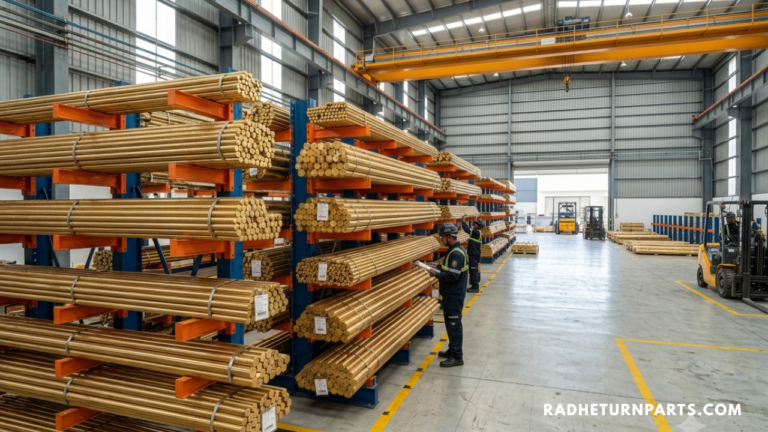
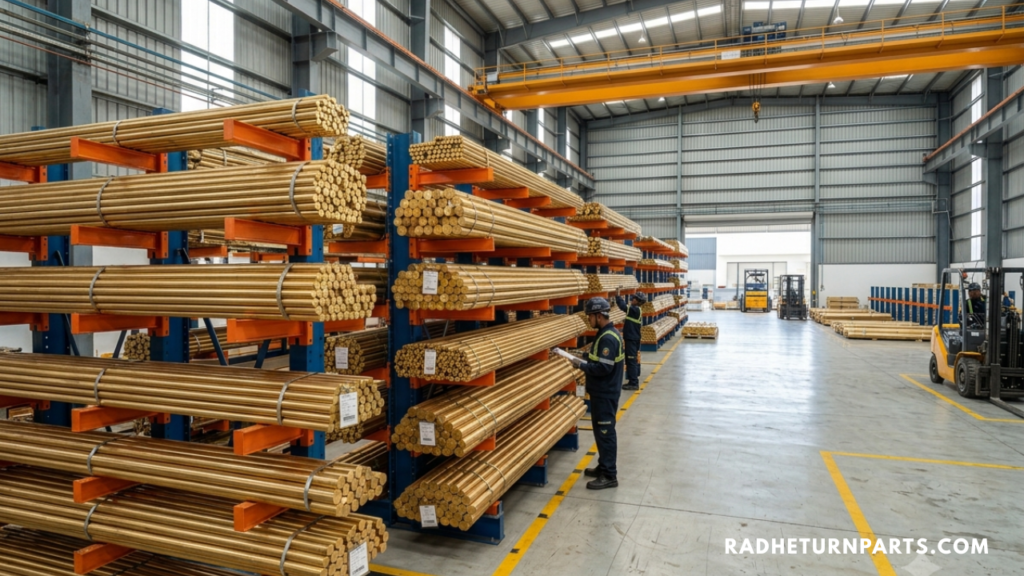
These brass grades are readily available worldwide in rods, bars, and custom machining stock forms.
The choice between CZ121, C36000, and CuZn39Pb3 typically depends on regional standards, customer specifications, and material availability.
From a practical machining perspective, these materials deliver highly similar performance characteristics.
CZ121, C36000, and CuZn39Pb3 are among the most trusted free-machining brass grades used throughout global manufacturing industries. Their exceptional machinability, reliable mechanical properties, excellent surface finish capabilities, and cost-effective production performance make them the preferred choice for precision-engineered brass components.
Whether manufacturing brass inserts, hose fittings, electrical terminals, sensor parts, adapters, nozzles, fasteners, or custom CNC-machined components, these alloys provide the combination of productivity, consistency, and quality required by modern industrial applications. By selecting the appropriate designation according to regional standards and customer requirements, manufacturers can achieve optimal machining efficiency and long-term component reliability.
CZ121, C36000, and CuZn39Pb3 are all excellent choices for CNC turning and precision machining operations.
The designation indicates a brass alloy containing copper, zinc, and approximately 3% lead for improved machinability.
Yes. CZ121 and C36000 are generally considered equivalent grades under different international standards.
Radhe Industries is a trusted manufacturer of precision brass components and CNC turned parts based in Jamnagar, Gujarat, India’s renowned brass manufacturing hub.
+91 7874824696
Contact@radheturnparts.com Parth@radheturnparts.com
GIDC Phase 2, Plot no- 85, Dared, Jamnagar.
Copyright ©2026. All Rights Reserved by Radhe Industries